







Search Results for: drink in big gulps
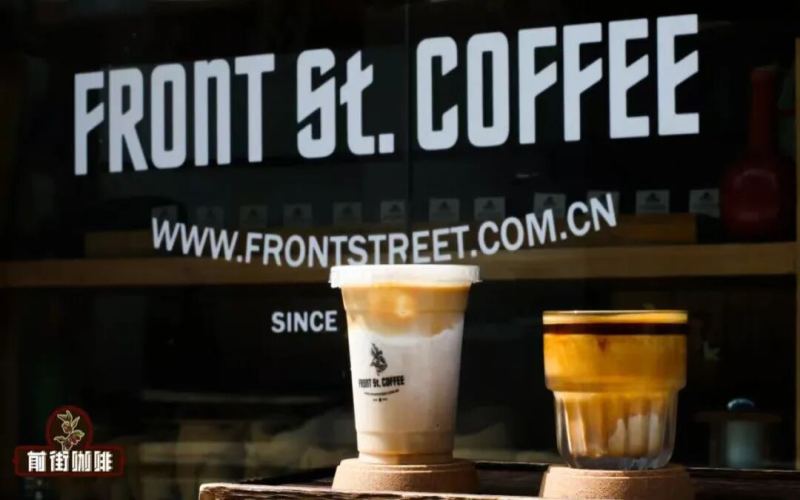
Coffee Tasting | Espresso, Latte, Dirty Coffee — What's the Etiquette for Drinking Them? Why Do Some Coffees Need Stirring While Others Are Meant to Be Gulped?
Although you can drink coffee however you like, doing so can easily cause you to miss out on some of its distinctive flavors. The character of a coffee lies not only in its taste but also in the experience it brings when you drink it—just like a Dirty. If you stir it before drinking, it is almost no different from [more…]

How should you drink espresso to get it just right? A full breakdown of when to stir and when to take big sips
When a cup of coffee is placed in front of you, should you stir it or just take a big gulp? There is no uniform answer to this question—the key lies in the drink's own design intent. In this article, Front Street Coffee sorts out two categories of drinking methods: espresso, iced latte, flavored coffee, and the like need to be stirred before drinking because of their layers, otherwise they will either taste thin, or one sip will be all syrup; while Dirty, Con Panna, hot latte, cappuccino, and espresso-derived small-cup products emphasize not stirring and taking a big mouthful, so that you can simultaneously experience the double contrast between espresso and milk in temperature and flavor, or take in the milk foam and cream along with it. The article also explains the principle behind how the layers form, and the aromatic and sweet lingering aftertaste brought by the retronasal breath after swallowing a big mouthful. Finally, Front Street also reminds us that there is no fixed rule for how to drink—just follow your own preference. [more…]
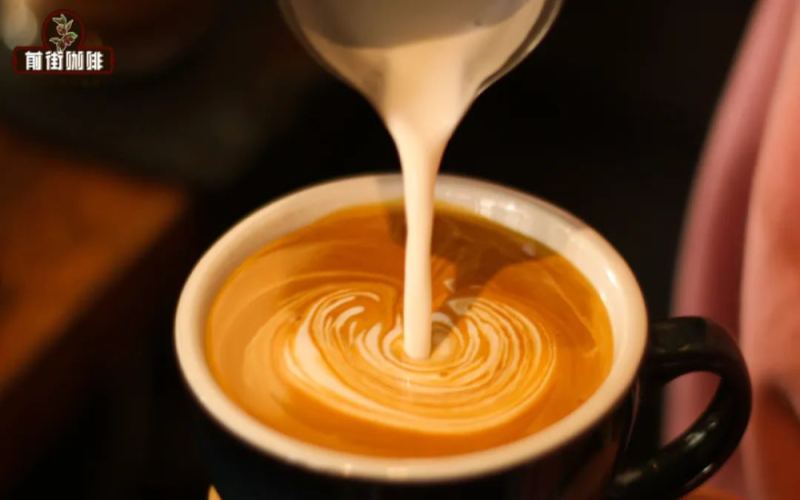
Espresso Coffee Tasting Guide: A Analysis of the Correct Ways to Drink Espresso, Dirty Coffee, and Thick-Foam Milk Coffee
Different types of espresso coffee, due to differences in their brewing techniques and presentation methods, also have their own particular ways of drinking. If tasted improperly, it is very likely that one cannot fully appreciate the unique flavor of the coffee. Front Street Coffee today will share the corresponding correct ways to drink thick milk foam milk coffee, layered coffee, Dirty, and other different types. From stirring the espresso to taking a big gulp of Dirty, every detail affects the final taste experience. Only by mastering these techniques can the characteristics of each cup of coffee be fully released. [more…]
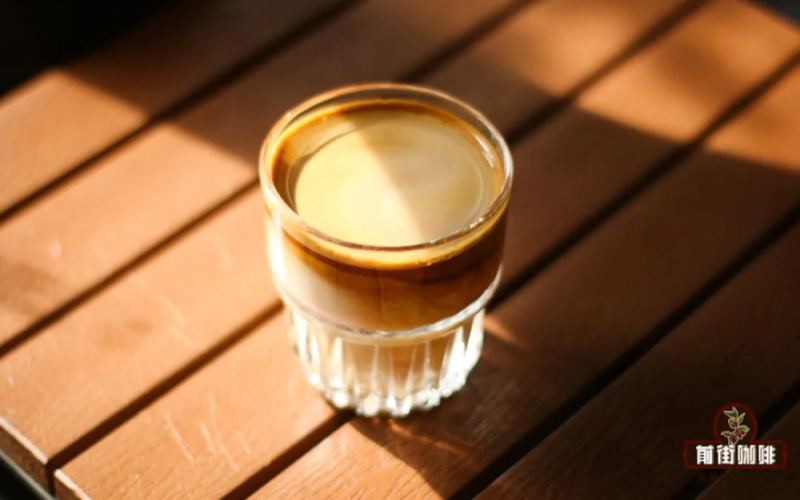
Types of Milk Coffee | What Is the Difference Between a Dirty Coffee and a Latte? Why Should a Dirty Be Drunk in Big Gulps? How Can Coffee Beginners Make a Dirty Coffee?
It could be said that there is no milk coffee more suited to summer than a Dirty! If there is, then Front Street hasn't mentioned it yet! Compared to an iced latte, the contrast that a Dirty creates is more striking, and with one sip you can experience all sorts of截然不同的 contrasts—it's truly wonderful. That's why quite a few latte lovers, when it comes to D [more…]
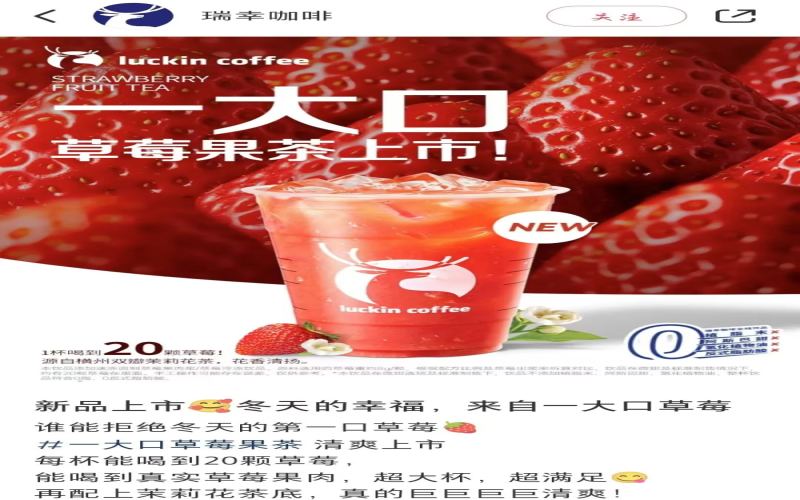
Luckin's Strawberry Fruit Tea claim of 20 strawberries sparks controversy; consumers say it's actually made with jam, causing a big gap in taste
Strawberry season has arrived, and major chain brands are rolling out seasonal limited-edition drinks one after another. Luckin has also jumped on the bandwagon with its Big Gulp Strawberry Fruit Tea, officially claiming that each cup contains 20 strawberries. However, after receiving the product, many consumers discovered that the drink was made from strawberry jam, far from the fresh fruit tea they had expected, and complaints have been flooding social media. The promotional approach of livestream hosts holding fresh strawberries stands in sharp contrast to the thick jam actually used in stores, sparking customer doubts about the truthfulness of the marketing. This article will sort through the ins and outs of the incident, present consumer feedback and the brand's response, and explore Luckin's consistent ingredient strategy for its fruit tea products. [more…]
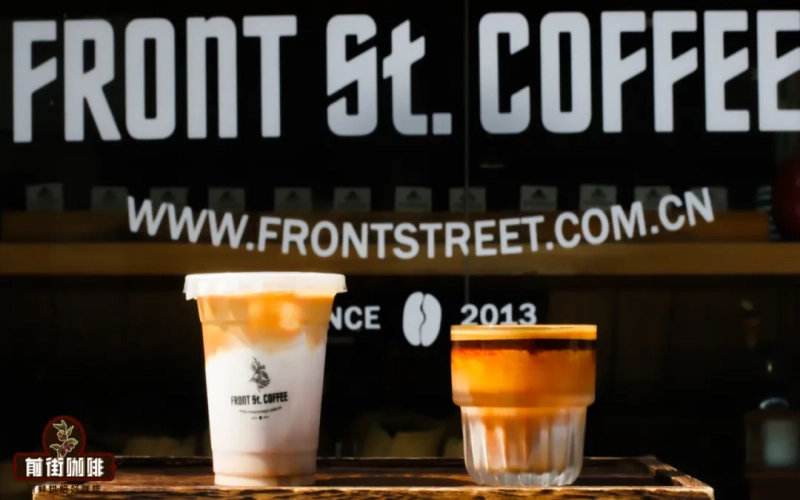
What exactly is the difference between a Dirty and an iced latte? A full breakdown of bean selection, cup size, layering, and how to drink it.
Dirty and iced latte are both combinations of cold milk and espresso, and because they look similar and use the same ingredients, they are often lumped together. But the two have significant differences in cup size, whether ice is added, cup temperature, the purpose of layering, and the way they are drunk. Dirty emphasizes taking a big gulp and experiencing the interwoven layers of hot and cold, bitter and sweet, while iced latte needs to be stirred evenly before enjoying its balanced taste. When making a Dirty, the choice of coffee beans is crucial. Front Street recommends medium-dark roasted blends or single-origin SOE beans to highlight caramel and chocolate flavors, and medium-light roasted beans can also be used to obtain fresh fruity notes. This article will, from Front Street's professional perspective, break down one by one the differences in making and tasting points between Dirty and iced latte. [more…]
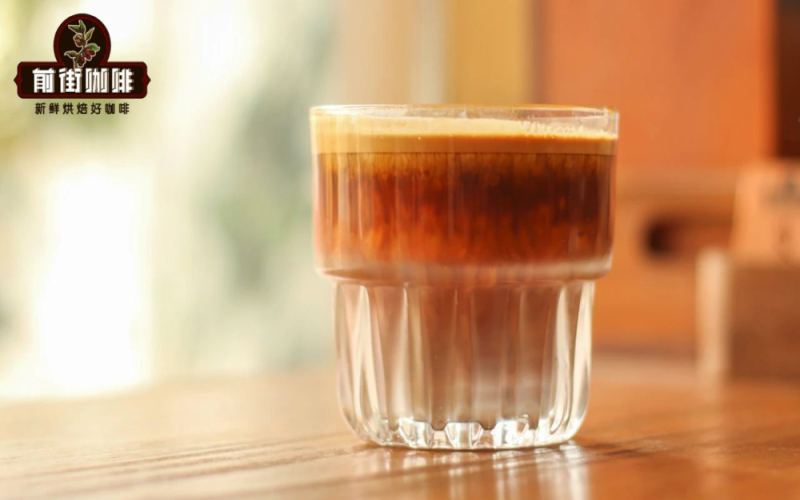
How big is a Dirty? | What is a dirty coffee? Where does dirty coffee come from? What's the difference between a dirty coffee, a latte, a flat white, and a cappuccino?
For those who love milk coffee, Dirty is certainly no stranger. Although Front Street Coffee hasn't listed "Dirty" on its menu, many in-the-know friends will actively order this drink after entering the shop. After all, it has long been popular nationwide and has even become a signature item for many coffee shops. Facing the first sip, [more…]
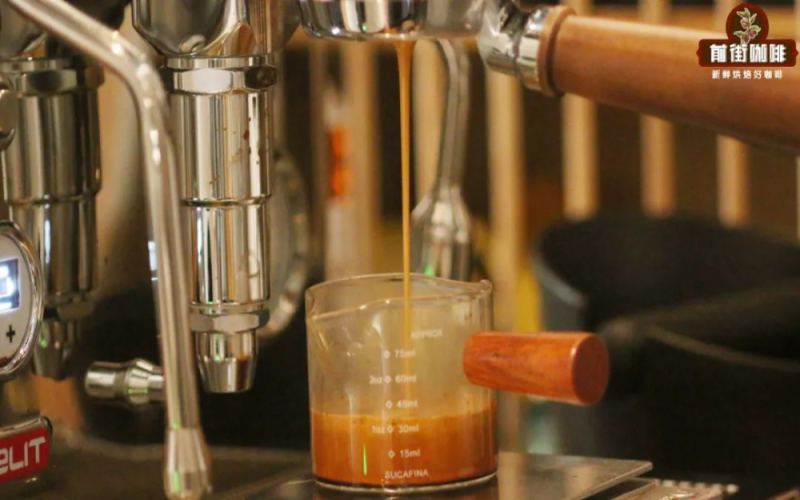
Espresso | What is espresso? How do coffee beginners make espresso? What are the correct ways to drink espresso?
For more specialty coffee knowledge, please follow: Front Street Coffee (Frontsteet Coffee) "How do you drink espresso?" - It has to be downed in one gulp! Don't think this is a joke; espresso really is downed in one gulp! Many friends, when drinking espresso for the first time, might find [more…]
Why is a Dirty Coffee served in a small cup and meant to be finished in three sips? Front Street Coffee explains the cup-size logic and drinking approach of Dirty Coffee.
When you order a Dirty at a coffee shop, it often arrives in just a small cup—a few sips and it's gone, frequently leaving you wanting more. Both are espresso-and-milk combinations, so why can't a Dirty be made into a large cup like a latte? Behind the cup size actually lies the logic of flavor design. Drawing on Front Street Coffee's real-world experience, this article clarifies the true difference between a Dirty and an iced latte, explains why only a small cup can deliver a sense of layers, and puts a 300ml "big-bowl Dirty" to the test to see whether this supersized dirty coffee still tastes good. [more…]
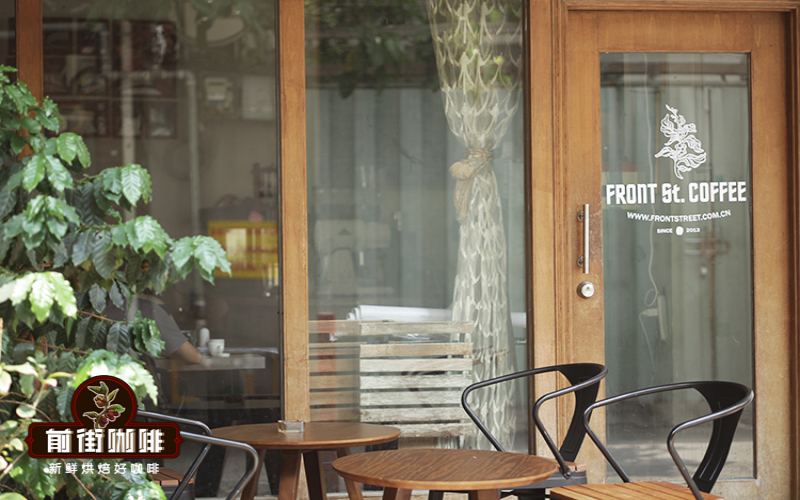
The Correct Way to Drink Espresso: A Complete Guide from Beginner to Addict
Espresso has always been the most misunderstood drink in coffee shops. On social media, many people are drawn in by the cool image of downing one in a single gulp, order a cup eagerly, and then get caught off guard by the intense bitterness. In fact, the problem isn't that espresso itself tastes bad—it's that most people haven't yet mastered the correct way to drink it. Front Street Coffee has witnessed too many similar scenes in its daily store operations, so it has specially put together this espresso tasting guide. From stirring the crema to drinking it in stages, from cleansing the palate with ice water to closing your mouth to savor the aroma, with just a few simple steps, you'll have a chance to truly appreciate the captivating layers of espresso. [more…]
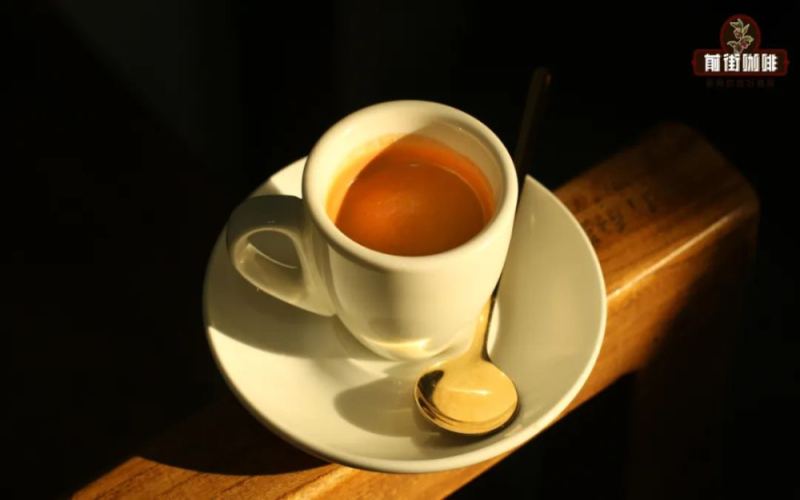
Espresso Tasting Guide: Master the Correct Way to Drink It Through the Three Steps of Color, Aroma, and Taste
When ordering an espresso at a coffee shop for the first time, many people are put off by its intense flavor—some even blacklist it on the spot. In reality, the problem usually lies in how it's tasted: knocking it back in one gulp only yields bitterness and a harsh bite. But if you master the correct tasting steps, even this small shot of espresso can become captivating. From the perspective of Front Street, this article breaks tasting down into three dimensions—"color, aroma, and flavor"—teaching you to observe the crema, sniff the aroma, and savor the finish, while also providing a specific drinking routine and a reminder about the golden tasting window, helping you truly appreciate the charm of espresso. [more…]

Espresso Coffee Tasting | What's the Etiquette for Drinking Espresso? What Techniques Are There for Tasting Espresso?
On various social platforms, we often come across scenes like this: a coffee enthusiast tilts their head back and downs a cup of espresso in one gulp, then after a brief frown, reveals an expression of intoxication as if they have tasted the most exquisite delicacy in the world. Many friends are infected by the enthusiast's emotions in the video, so after going to a café they will [more…]
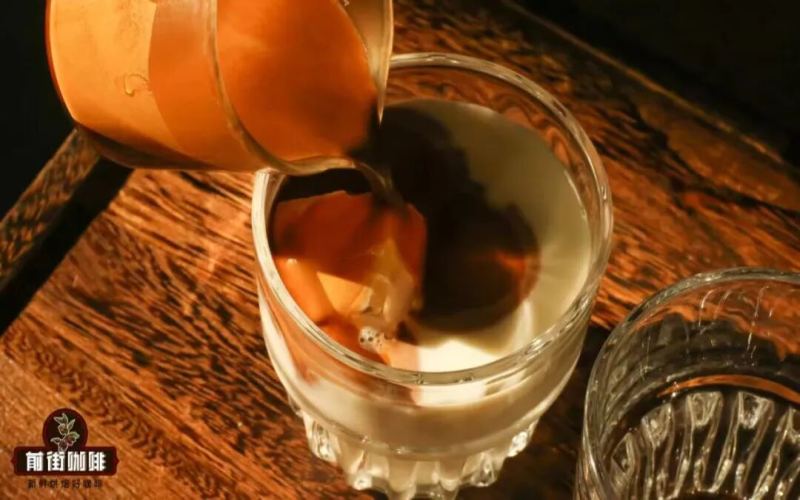
Espresso Milk Coffee | What Is a Dirty Coffee and How Does It Differ from an Iced Latte? What Are the Differences in How You Drink a Dirty and an Iced Latte?
Since the ingredients used to make a Dirty and an iced latte are exactly the same—both are iced milk plus espresso—and they look much the same, both featuring a layered structure created by the milk and the espresso, Front Street Coffee often gets asked by customers drinking iced lattes: "Both are iced milk plus espresso, so what's the difference between a Dirty and [more…]
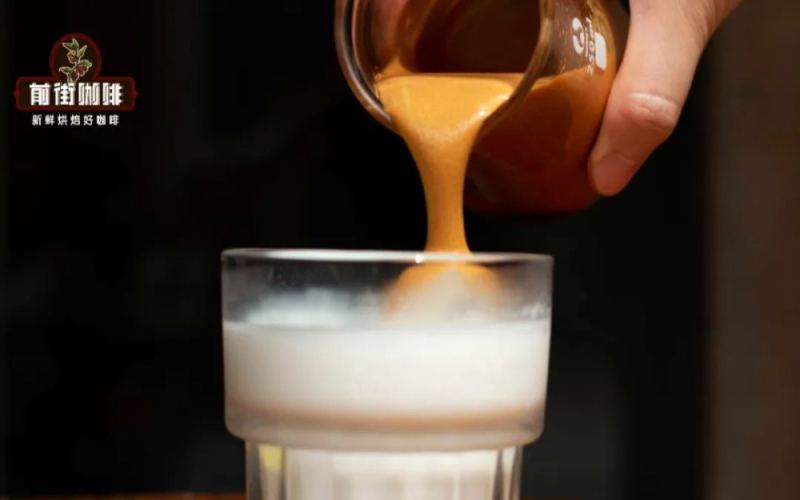
Complete Tutorial for Making Dalgona Coffee (400-Times Coffee): Espresso Extraction Ratios and Analysis of Whipping Failure Causes
Dalgona coffee (also known as 400-times coffee) continues to thrive on major social platforms thanks to its dense, cloud-like coffee foam and beautiful layered effect. However, many people find after trying it themselves that the result falls far short of the tutorials, with problems such as the foam not whipping up, a coarse texture, and rapid collapse appearing one after another. This article will break down the key points of making dalgona coffee step by step from three dimensions—ingredient selection, espresso extraction parameters, and whipping techniques—and focus on analyzing the common reasons why espresso fails to foam and the corresponding solutions, to help you make a cup of dalgona coffee with distinct layers and a rich, mellow taste. [more…]
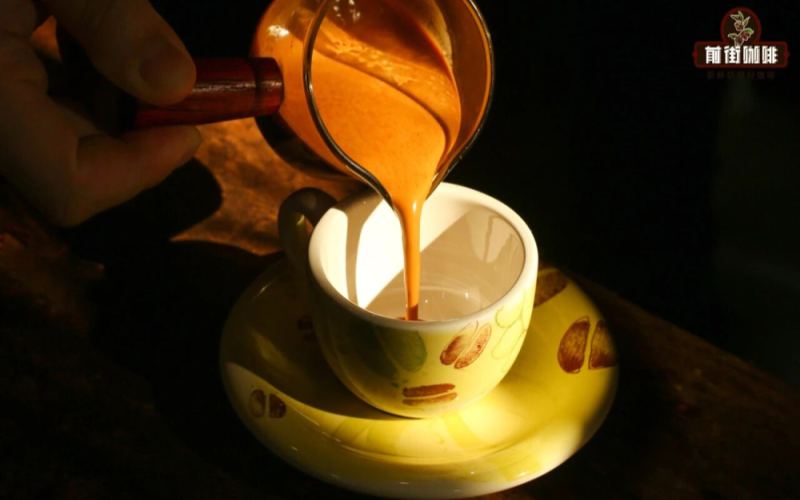
The correct way to taste espresso: how to drink out its layers, and how it really differs from Americano
Espresso always carries a sense of drama on social media—some people down it in one gulp with a look of pure bliss, while others take a single sip and immediately frown. Why does the same cup of coffee trigger such polarizing reactions? The truth is, espresso itself is not just bitter; its aroma and layers are far richer than you might imagine—it's just that the high concentration makes the bitterness too prominent, masking the flavors underneath. Starting from real scenes at Front Street Coffee locations, this article shares practical tasting techniques such as stirring the crema, drinking in stages, and pairing with ice water, while also clarifying the essential difference between espresso and Americano, helping you truly understand this little cup of Italian coffee. [more…]

Espresso Milk Coffee Blend Bean Recommendations | Is There a Big Difference Between an Australian White and a Flat White? How Can Coffee Newbies Make a Starbucks Flat White at Home?
For more specialty coffee knowledge, please follow: Front Street Coffee (Frontsteet Coffee) Speaking of Luckin's Australian White and Starbucks' Flat White, these two coffees actually refer to the same coffee—Flat white. This is a coffee beverage invented in Australia, made from espresso [more…]
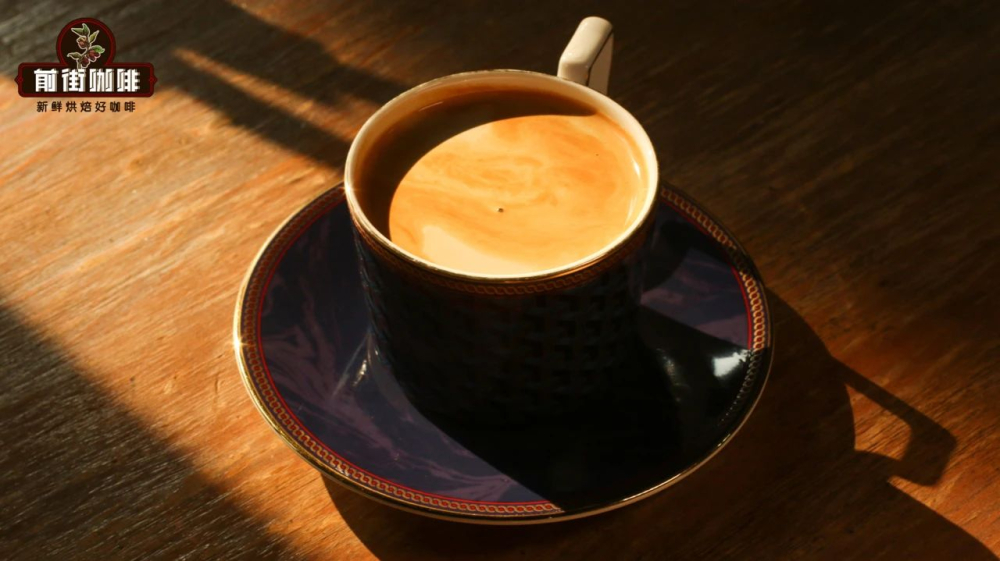
Iced and Hot Americano Methods | Is There a Big Difference Between Espresso and Americano Coffee Beans? Which Coffee Beans Are Suitable for Iced Americano? What Are the Steps for Tasting Americano Coffee?
For more specialty coffee knowledge, please follow: Front Street Coffee (Frontsteet Coffee). Americano is made by diluting espresso with water, typically using dark-roasted Italian-style coffee beans. The Americano beans used by Front Street are a blend of single-origin beans from two different regions. This [more…]

American Coffee Recipe Steps | How Big is a Standard Americano? What Are the Steps to Make an Americano? Hot Americano and Iced Americano Ratios
Each region has its own way of drinking coffee, and because some regional coffee-drinking methods are quite representative, they have given rise to a kind of local culture—just like Turkish coffee or Italian coffee. When it comes to these coffees, a picture may already have formed in your mind. But when it comes to Americano, everyone's mind... [more…]
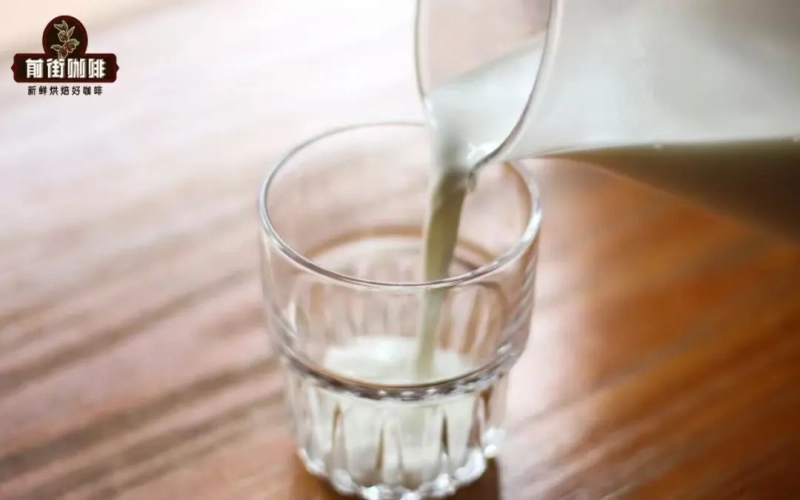
Must Dirty Coffee Use Purified Milk? A Full Analysis of Its Differences from Latte, Flat White, and Cappuccino
Dirty coffee has swept through specialty coffee shops in recent years, and many people assume it must be made with purified milk (such as IceBock). Is that really true? From the perspective of Front Street, this article explores the origins of purified milk and Dirty, explains that fresh milk and plant-based milk can work just as well, and compares the fundamental differences between Dirty and latte, flat white, and cappuccino in terms of preparation method and drinking experience. At the same time, the article also introduces in detail the characteristics of purified milk and why it can amplify Dirty's layered effect and the contrast between hot and cold. Whether you are a coffee enthusiast or a professional, you can use it to clarify the true nature of Dirty and find the cup that suits you. [more…]
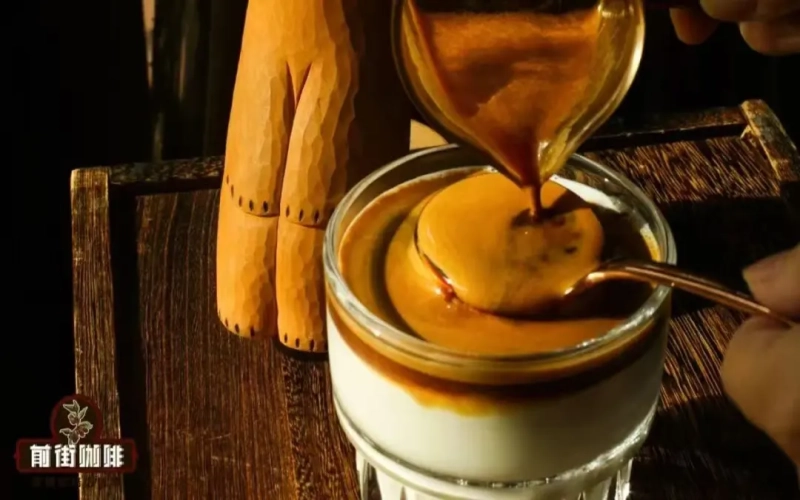
Why Dirty Coffee Doesn't Layer: Master Three Key Details to Make a Perfectly Layered Dirty Coffee
Dirty coffee may seem to require only two ingredients—milk and espresso—but the actual preparation hides a fair amount of know-how. Many people who try it at home often run into problems like no layering or overly blended flavors, and the result falls far short of what a coffee shop produces. In fact, as long as you avoid three common pitfalls—ignoring the layering, choosing the wrong cup, and adding ice blindly—you can easily make a Dirty with distinct layers and a strong contrast between hot and cold. Front Street Coffee will combine real brewing experience with a classic blend bean to break down the principles behind every detail and the correct methods, helping you make a dirty coffee even better than a café's. [more…]